Artikel & Berita Halal
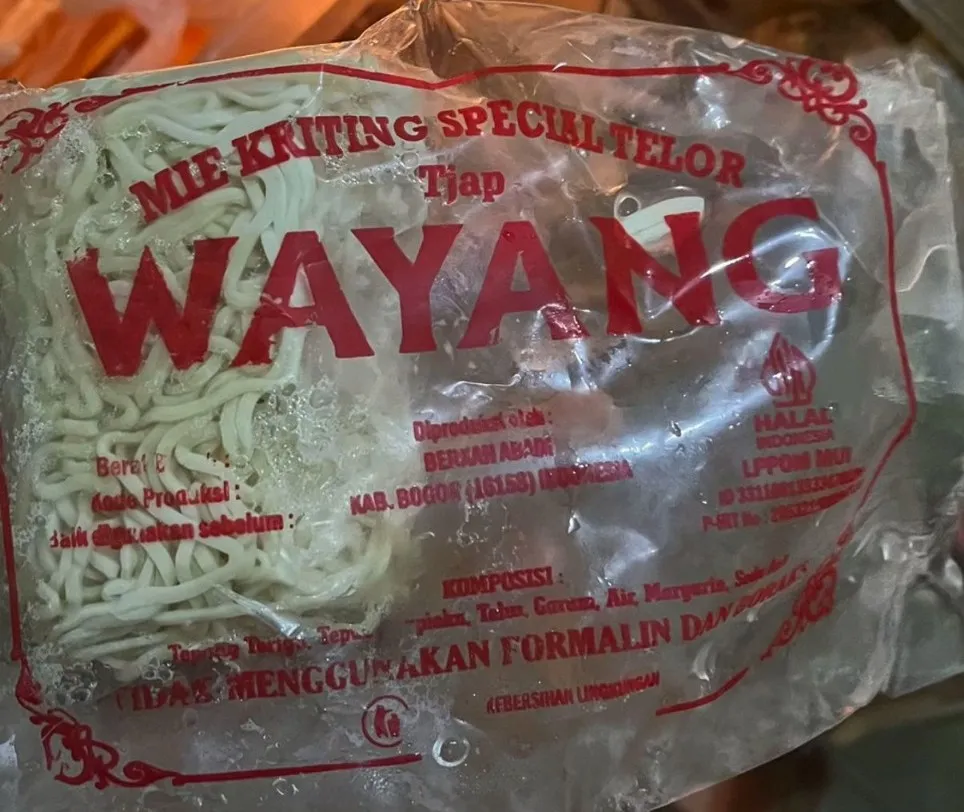
Terindikasi Bahan Berbahaya, LPPOM Tegaskan Tak Periksa Produk Mie Kriting Special Telor Tjap Wayang

Penulis
Menanggapi pemberitaan yang berkembang di masyarakat terkait produk Mie Kriting Special Telor Tjap Wayang yang diproduksi oleh Berkah Abadi di Kabupaten Bogor, Lembaga Pemeriksa Halal (LPH) LPPOM menyampaikan klarifikasi resmi sebagai bentuk tanggung jawab publik dan komitmen menjaga integritas ekosistem halal nasional.
Setelah dilakukan pengecekan secara menyeluruh pada sistem internal, LPPOM memastikan bahwa produk tersebut tidak tercatat sebagai klien, baik dalam proses pemeriksaan halal maupun dalam riwayat layanan sebelumnya. Dengan demikian, LPPOM tidak pernah melakukan pemeriksaan halal, verifikasi, ataupun memberikan rekomendasi yang berkaitan dengan pencantuman logo halal, nomor Sertifikat Halal, ataupun penyebutan nama LPPOM pada kemasan produk tersebut.
LPPOM menegaskan bahwa pencantuman nama lembaga, logo halal, atau nomor sertifikat yang tidak sesuai dengan fakta merupakan bentuk penyalahgunaan dan bertentangan dengan ketentuan peraturan perundang-undangan terkait Jaminan Produk Halal. Dalam proses audit halal, LPPOM akan juga melakukan tambahan pemeriksaan terkait aspek keamanan pangan untuk menjamin bahwa produk yang dilakukan pemeriksaan halal juga aman untuk dikonsumsi, sehingga keberadaan bahan terlarang seperti tawas tidak diperbolehkan.
LPPOM menyerahkan penanganan sepenuhnya kepada otoritas pemerintah yang berwenang, termasuk BPOM dan BPJPH. LPPOM siap berkoordinasi dan memberikan dukungan teknis apabila diperlukan guna memastikan perlindungan konsumen dan keamanan produk yang beredar.
Sebagai upaya edukasi publik, LPPOM mengimbau masyarakat untuk selalu memverifikasi keabsahan sertifikat halal melalui kanal resmi seperti aplikasi SiHalal dan situs resmi BPJPH. Verifikasi mandiri menjadi langkah penting agar masyarakat terhindar dari informasi yang menyesatkan atau produk yang tidak memiliki status halal yang valid.
LPPOM berkomitmen untuk terus menjalankan tugas pemeriksaan halal secara profesional, independen, dan akuntabel. Klarifikasi ini disampaikan sebagai bentuk transparansi dan tanggung jawab publik agar masyarakat mendapatkan informasi yang benar dan dapat dipercaya.
Klarifikasi ini disampaikan sebagai upaya LPH LPPOM untuk melindungi masyarakat dari informasi yang menyesatkan dan memastikan bahwa komunikasi publik mengenai status kehalalan produk hanya bersumber dari kanal resmi.
Untuk informasi lebih lanjut, masyarakat dapat menghubungi Halo LPPOM di 14056, melalui email [email protected], atau layanan WhatsApp di 08111148696. Seluruh kanal resmi ini disediakan agar masyarakat dapat memperoleh informasi yang akurat dan terpercaya terkait layanan sertifikasi serta kehalalan produk dari LPH LPPOM. (***)