Kerja Sama
Masa Berlaku Sertifikasi Halal: Fakta Penting Terbaru 2025

Penulis
Masa Berlaku Sertifikasi Halal sering menjadi pertanyaan utama pelaku usaha saat mulai mengurus legalitas halal produknya. Tidak sedikit yang masih mengira sertifikat halal harus diperpanjang setiap 2 atau 4 tahun, padahal aturan terbaru telah mengubah semuanya secara signifikan.
Pemahaman yang keliru tentang masa berlaku ini dapat menyebabkan:
- Keterlambatan pengajuan sertifikasi
- Kekhawatiran yang tidak perlu
- Bahkan keputusan bisnis yang kurang tepat
Artikel ini akan membahas secara lengkap, akurat, dan praktis tentang masa berlaku sertifikasi halal, termasuk:
- Regulasi terbaru
- Proses pengajuan sertifikasi halal
- Peran LPH LPPOM
- Cara paling aman dan strategis untuk mengurus sertifikat halal
Siap dapatkan masa berlaku sertifikasi halal seumur hidup mu?
Apa Itu Sertifikasi Halal?
Sebelum membahas lebih jauh, penting untuk memahami bahwa sertifikasi halal adalah proses penilaian resmi yang memastikan produk memenuhi standar kehalalan sesuai syariat Islam.
Sertifikasi halal mencakup:
- Bahan baku
- Proses produksi
- Fasilitas produksi
- Sistem jaminan produk halal
Dalam praktiknya, proses ini melibatkan BPJPH, pendamping sertifikasi halal, LPH (Lembaga Pemeriksa Halal) seperti LPH LPPOM, Lab Uji, dan MUI (Majelis Ulama Indonesia) yang telah berpengalaman puluhan tahun dalam audit halal.
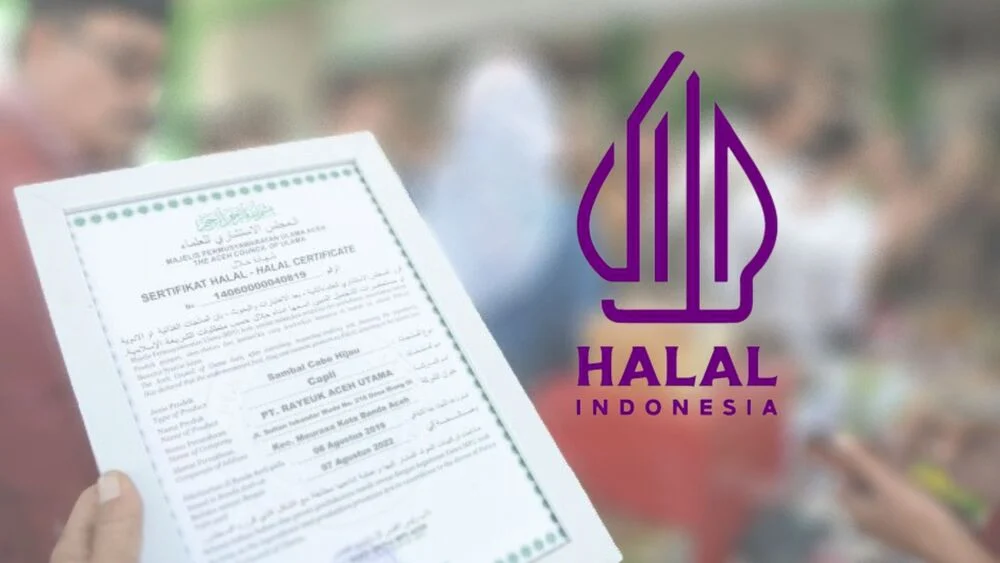
Daftar Sertifikasi Halal resmi bersama LPPOM.
Dapatkan Sertifikat Halal Resmi BPJPH
Masa Berlaku Sertifikasi Halal Terbaru
Sertifikat Halal Berlaku Seumur Hidup
Sesuai regulasi terbaru, masa berlaku sertifikasi halal adalah seumur hidup, selama tidak ada perubahan pada:
- Komposisi bahan
- Proses produksi
- Pemasok bahan
- Lokasi atau fasilitas produksi
Inilah alasan mengapa pengajuan sertifikasi halal kini menjadi aset jangka panjang, bukan sekadar kewajiban administratif.
Namun perlu diingat:
Sertifikat halal tetap wajib dijaga kepatuhannya melalui mekanisme pengawasan dan pelaporan berkala, walaupun masa berlaku sertifikasi halal seumur hidup.
Di sinilah peran LPH LPPOM menjadi sangat krusial sebagai mitra strategis, bukan sekadar pemeriksa.
Kapan Sertifikat Halal Bisa Tidak Berlaku?
Walaupun berlaku seumur hidup, sertifikat halal bisa dicabut atau dinyatakan tidak berlaku jika:
- Ada perubahan bahan tanpa pelaporan
- Proses produksi tidak sesuai standar
- Hasil lab uji tidak memenuhi kriteria
- Tidak menjaga Sistem Jaminan Produk Halal (SJPH)
Karena itu, memilih pendamping sertifikat halal yang kompeten sangat menentukan keberlanjutan sertifikasi Anda.
Peran Lab Uji dalam Sertifikasi Halal
Dalam proses sertifikasi, lab uji berfungsi untuk:
- Menguji bahan baku kritis
- Memastikan tidak ada kontaminasi non-halal
- Mendukung hasil audit lapangan
Lab uji makanan yang terakreditasi akan bekerja sama dengan LPH LPPOM untuk memastikan keabsahan hasil pengujian.
Siapa Saja yang Terlibat dalam Proses Sertifikasi Halal?
Pertanyaan umum: siapa sajakah yang terlibat dalam proses sertifikasi halal?
Jawabannya:
- Pelaku Usaha
- Pendamping sertifikasi halal
- LPH LPPOM (audit dan pemeriksaan)
- Lab uji
- BPJPH (otoritas penerbit sertifikat)
- Komite Fatwa MUI
Kolaborasi semua pihak ini memastikan sertifikasi halal bukan hanya sah secara hukum, tetapi juga kuat secara keilmuan dan syariah.
Cara Mengurus Sertifikat Halal dengan Benar
Cara Sertifikasi Halal yang Aman & Efektif
Berikut cara mengurus sertifikat halal yang direkomendasikan:
- Persiapan dokumen usaha
- Penunjukan pendamping sertifikasi halal
- Pengajuan sertifikasi halal melalui sistem resmi
- Audit oleh LPH LPPOM
- Pengujian di lab uji makanan (jika diperlukan)
- Penetapan halal
- Sertifikat terbit dan berlaku seumur hidup
Tips penting:
Pelaku usaha yang didampingi dengan baik cenderung lebih cepat lulus dan minim revisi.
Cara Buat Sertifikat Halal untuk UMKM
Sertifikasi Halal UMKM: Jangan Tunggu Terakhir
Sertifikasi halal UMKM kini menjadi faktor kepercayaan konsumen, bukan sekadar formalitas.
Banyak UMKM tertarik dengan program sertifikasi halal gratis. Namun secara praktik:
- Antrian panjang
- Kuota terbatas
- Pendampingan minimal
- Kurang fleksibel untuk bisnis yang ingin tumbuh cepat
Insight penting:
Untuk UMKM yang ingin scale up, pengurusan sertifikat halal reguler dengan dukungan LPH LPPOM justru lebih aman, cepat, dan strategis.
Mengapa Memilih LPH LPPOM?
LPH LPPOM dikenal luas sebagai:
- Pelopor pemeriksaan halal di Indonesia
- Berpengalaman lintas industri
- Memiliki jaringan auditor dan lab uji terpercaya
- Telah bantu menerbitkan Sertifikat Halal untuk lebih dari 70.000 Pelaku Usaha baik lokal maupun global.
Manfaat Jangka Panjang Sertifikasi Halal
Dengan memahami masa berlaku sertifikasi halal, Anda akan menyadari bahwa sertifikasi halal adalah:
- Investasi reputasi
- Tiket masuk pasar global
- Alat diferensiasi produk
- Bukti komitmen kualitas
Bukan hanya untuk konsumen Muslim, tetapi juga untuk pasar yang menilai higienitas, transparansi, dan standar produksi.
Jangan Menunggu Produk Anda Rerbentur Regulasi
Dengan masa berlaku sertifikasi halal yang seumur hidup, sekarang adalah waktu paling tepat untuk mengurusnya secara profesional.
Pilih jalur pengajuan sertifikasi halal reguler dengan pendampingan terpercaya dari LPH LPPOM, agar proses lebih cepat, minim risiko, dan siap untuk pertumbuhan jangka panjang.
Daftarkan produk Anda sekarang
Konsultasikan pengurusan sertifikat halal Anda hari ini
Amankan status halal bisnis Anda bersama LPH LPPOM
Siap Dipandu Hingga Lolos Sertifikasi Halal?
Dapatkan pendampingan dari tim ahli kami untuk lolos audit halal resmi BPJPH dengan cepat dan mudah.